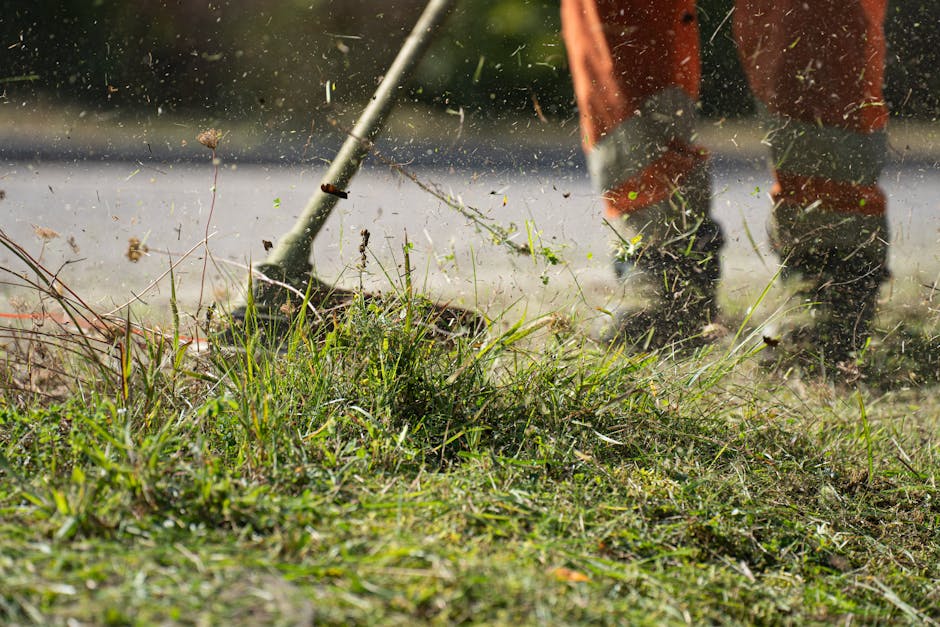
Garden clearance sounds straightforward until you actually need it. One quote says one thing, another says something very different, and suddenly you are comparing piles of brambles, turf, bags, labour, and disposal with a kind of half-bemused panic. Truth be told, that's normal. Understanding what to know about garden clearance costs and gardener quotes helps you avoid overpaying, spot vague estimates, and choose the right level of service for your garden rather than guessing and hoping for the best.
This guide breaks down how garden clearance pricing usually works in the UK, what drives costs up or down, what a proper quote should include, and how to compare gardeners without getting lost in jargon. If you want a cleaner, safer, easier-to-manage outdoor space, this is the place to start.
One quick note before we get into it: every garden is different. A small front garden with overgrown borders is not the same job as a neglected back garden with heavy green waste, roots, and years of accumulation. That's exactly why quotes matter so much.
Table of Contents
- Why garden clearance costs and quotes matter
- How garden clearance pricing and quotes work
- Key benefits and practical advantages
- Who garden clearance is for and when it makes sense
- Step-by-step guidance for getting a fair quote
- Expert tips for better results
- Common mistakes to avoid
- Tools, resources and recommendations
- Law, compliance, standards, and best practice
- Options, methods, and comparison table
- Case study or real-world example
- Practical checklist
- Conclusion
- Frequently asked questions
Why garden clearance costs and quotes matter
Garden clearance is one of those jobs where the price can look simple on the surface, but the real cost sits underneath. Labour, access, waste removal, time, tools, and the amount of material to clear all play a part. If the quote is too low, the job may be rushed, incomplete, or full of add-ons later. If it's too high, you may be paying for assumptions that don't match your garden at all.
For homeowners, landlords, letting agents, and people preparing a property for sale, the financial side matters. But so does the practical side. A well-cleared garden can make a property feel larger, safer, and easier to maintain. It can also make it simpler to plan future work like hedge trimming, lawn repair, or new planting. You don't want to clear the same patch twice because the first attempt was half-finished.
Quotes also matter because they reveal how a gardener works. A good quote usually shows that the provider has thought about access, waste handling, and what the job actually includes. A vague quote may mean the opposite. And to be fair, a vague quote is rarely a bargain in the end.
Expert takeaway: A useful garden clearance quote should explain what is being removed, how waste is handled, what access is assumed, and whether labour is charged as a fixed job or by time. If any of that is unclear, ask before booking.
How garden clearance pricing and quotes work
Most gardeners base garden clearance quotes on a mix of visual assessment, description, and job scope. Some will quote from photos, some will visit in person, and some will give an estimate first and confirm the final price after seeing the site. That is common, especially if the garden is overgrown or access is awkward.
The main pricing approaches are usually:
- Fixed price: A set cost for the agreed job. This is often preferred when the scope is clear.
- Hourly rate: The gardener charges for time spent, which can suit smaller or uncertain jobs.
- Day rate: More common for larger clearances, especially where the work may take a full day or more.
- Quote plus disposal: Labour is priced separately from green waste removal, which can make the cost structure easier to understand.
The total price depends on the practical realities of the garden. A narrow side passage, no parking nearby, wet soil, thorny growth, or large amounts of rubbish mixed with green waste can all affect the quote. A neat and open garden that only needs border clearance is usually a different story entirely.
If you want to understand pricing properly, it helps to separate the job into parts: labour, waste removal, equipment, and additional work. That simple habit makes quotes much easier to compare.
There is also a difference between clearance and ongoing maintenance. Clearance is the heavy reset. Maintenance is the lighter, regular work after that. Mixing the two up is a common reason people feel confused about costs.
Key benefits and practical advantages
A good garden clearance is not just about making a space look tidy for a day or two. Done properly, it creates a workable foundation for whatever comes next. Here are the real benefits people usually notice.
- Better access: Paths, sheds, fences, and borders become usable again.
- Reduced trip hazards: Overgrowth, broken pots, and hidden debris can be removed.
- Less stress: A messy garden can feel oddly heavy on the mind. A clean one changes the mood fast.
- Improved drainage and airflow: Heavy growth can trap moisture and worsen muddy areas.
- Easier future maintenance: Once cleared, it is much simpler to mow, prune, or replant.
- Property presentation: Helpful if you are selling, letting, or preparing for photos.
There is also a practical safety angle. In gardens that have become neglected, you may find damaged fencing, unstable stacks, hidden glass, or invasive growth that needs careful handling. A professional approach helps reduce the chance of turning a tidy-up into a sore back and a Saturday lost to the wheelie bin.
For some people, the biggest benefit is simply getting momentum back. A cluttered or overgrown garden can make people put off even small jobs. Once the first big clear-out is done, everything else feels a bit more manageable. A bit. Not magically, but enough.
Who this is for and when it makes sense
Garden clearance is useful in more situations than people expect. It's not only for gardens that look abandoned. Sometimes the job is as modest as removing seasonal buildup before a redesign or clearing one stubborn section that has got out of hand.
This service tends to make sense for:
- Homeowners who need a one-off reset
- Landlords preparing a property between tenancies
- Homebuyers taking on a garden that has been left alone for months or years
- Older residents who need help with heavier physical work
- Busy families who want to reclaim outdoor space without spending several weekends on it
- People planning landscaping, turfing, or planting work
It also makes sense after bad weather, especially when branches, leaves, and debris have built up faster than usual. In the UK, a garden can shift from "fairly fine" to "why is there suddenly a small jungle?" after one damp season. Happens all the time.
If you are unsure whether you need full clearance or just a lighter tidy-up, ask for both options. A sensible gardener should be able to tell you whether the job is best treated as a minor refresh or a proper clearance with waste removal.
Step-by-step guidance for getting a fair quote
Getting a useful quote is less about chasing the lowest number and more about giving the gardener enough information to price the job accurately. Here's the cleanest way to do it.
1. Walk the garden and note the problem areas
Look at what actually needs removing. Is it brambles, hedge cuttings, old pots, turf, leaves, ivy, rubbish, or a mix of everything? The mix matters. A garden full of soft clippings is very different from one with roots, woody stems, and broken materials.
2. Take clear photos from several angles
Photos help with initial quotes, especially if the space is awkward to visit. Try to show the full garden, access points, side paths, steps, gates, and any tight corners. Don't hide the messy bits. Everyone saves time when the picture is honest.
3. Ask what is included
Before you agree to anything, check whether the quote includes labour, loading, sweeping up, bagging, and waste disposal. Some quotes cover only the clearance itself, while others include removal and responsible disposal too.
4. Clarify access and parking
If the gardener needs to carry material through the house, up stairs, or over a long distance to the vehicle, the price may change. That is fair enough. Easy access usually means quicker work.
5. Ask how waste is handled
Green waste, soil, timber, and mixed rubbish may not be treated in the same way. A clear quote should explain what happens to the material after it leaves your garden. If recycling or sustainability matters to you, ask about that specifically and check the company's recycling and sustainability approach.
6. Compare like with like
Two quotes can look similar but cover different scopes. One may include disposal and cleanup, while the other may not. Comparison only works if the job description is aligned.
7. Confirm timing
Ask when the work can start, how long it is likely to take, and whether weather could affect the schedule. Garden jobs can shift with rain, ground conditions, and waste-collection logistics. Annoying, but real.
If you want a structured starting point, it can help to review the provider's pricing and quotes information before you book. That often makes the conversation clearer from the start.
Expert tips for better results
A few small decisions can make a big difference to both cost and outcome. These are the things experienced customers tend to do well, and the things that save headaches later.
- Be precise about the job: "Clear the back garden" is too vague. "Remove brambles, cut back overgrowth, clear leaves, and bag waste" is much better.
- Ask for itemised wording: Not every quote must be broken into tiny pieces, but the main inclusions should be obvious.
- Keep an eye on hidden waste: Some gardens contain more non-green material than expected. Old timber, plastic, broken garden furniture, and rubble can change the cost.
- Think ahead: If you plan to replant or reseed, ask whether the clearance leaves the site ready for the next stage.
- Check safety practices: Overgrown gardens can contain sharp debris, pests, or unstable structures. It's worth asking how the work will be carried out safely.
- Use simple language: There's no prize for sounding like a landscape architect. Plain English is fine. Better, actually.
One thing people often forget is aftercare. A garden that has been cleared can look fantastic, but if you do not plan a maintenance routine, it can creep back quickly. A light monthly tidy-up may cost less overall than letting it become a bigger job again.
In our experience, the best results come from customers who are honest about the state of the garden and clear about their priorities. Do you want everything cleared back to bare soil? Or just the worst of it removed so you can start again? That distinction matters.
Common mistakes to avoid
Most bad experiences with garden clearance are avoidable. Usually, the issue is not the work itself but the quote process around it.
- Choosing the cheapest quote without checking scope: Low prices can hide exclusions, especially around waste removal.
- Not mentioning access issues: A narrow alley or no-parking situation can change the price after a site visit.
- Ignoring waste type: Green waste is not the same as mixed rubbish. Don't assume it is.
- Assuming disposal is included: Always ask. Always.
- Forgetting to ask about clean-up: Some clearance jobs finish with bags left behind unless sweeping and final tidy are included.
- Not checking insurance or safety approach: Especially sensible for larger or riskier jobs.
A sneaky one is under-describing the garden because you want a rough estimate first. That is understandable, but it can lead to a quote that is no longer accurate once the real scope becomes clear. Better to be slightly over-candid than slightly optimistic. Honestly, optimism is lovely; it just doesn't price a bramble patch very well.
Tools, resources and recommendations
You do not need specialist tools to request a quote, but a little preparation helps. The goal is to make the job easy to assess. A phone camera, a notepad, and basic measurements can go a long way.
Useful things to prepare before asking for a quote:
- Photos of the full garden and access points
- Approximate garden size, if you know it
- A list of the main jobs needed
- Whether there is parking nearby
- Any known hazards, such as broken glass, unstable fencing, or invasive growth
- Whether you want waste removed or left for your own disposal
If you want to understand how a provider handles practical matters beyond the garden itself, it can also help to review insurance and safety information and the health and safety policy. Those pages can tell you a lot about professionalism before anyone sets foot in the garden.
For broader trust signals, some people also like to look at the about us page, especially if they want a better sense of how the business works and who they are dealing with. It's a small step, but it helps.
Law, compliance, standards, and best practice
Garden clearance often involves waste handling, site safety, and, in some cases, hidden hazards. While not every garden job is regulated in the same way, professional best practice still matters. A careful gardener should think about safe lifting, sharp objects, trip hazards, access arrangements, and sensible disposal of waste materials.
In the UK, customers should expect a business to be transparent about how it prices work, how it handles personal information, and what happens if something goes wrong. That is why pages like terms and conditions, privacy policy, and payment and security can be useful reading before you book.
Best practice for garden clearance usually includes:
- Clear scope of work before starting
- Transparent pricing and extra-cost wording
- Safe handling of tools and waste
- Respect for neighbouring properties and shared access
- Responsible disposal and sensible recycling where possible
If you are comparing providers, ask directly how they manage waste separation, whether they aim to recycle appropriate materials, and how they keep the site safe during work. That is not being fussy. That is being sensible.
For service issues, it also helps to know whether the business has a clear complaints procedure. Nobody wants to use it, of course, but having one is a sign of structure and accountability.
Options, methods, and comparison table
Garden clearance is not one-size-fits-all. The best method depends on the size of the job, the mess involved, and how much input you want from the gardener. Here is a simple comparison.
| Approach | Best for | Advantages | Watch-outs |
|---|---|---|---|
| Fixed-price clearance | Clearly defined jobs | Easy to budget, less uncertainty | Needs accurate job description |
| Hourly clearance | Smaller or uncertain jobs | Flexible, useful for mixed tasks | Final cost may vary if the job expands |
| Day rate | Large or neglected gardens | Good for bigger reset projects | May be more than needed for small spaces |
| Clearance plus disposal | Most one-off jobs | More complete and convenient | Disposal costs should be explained clearly |
Fixed pricing works well when the scope is obvious. Hourly pricing can be useful when you only need a partial tidy or are unsure how much can be done in a visit. Day rates are better for bigger jobs with lots of overgrowth or debris. The key is matching the pricing method to the garden, not the other way round.
If you are not sure which route makes sense, ask the gardener which model they recommend and why. A decent answer will sound practical, not salesy.
Case study or real-world example
Imagine a typical terraced-house garden in south-east London. The space is not large, but it has been left for six or seven months. There are a few broken plant pots, thick weeds through the borders, a patch of ivy climbing one fence panel, and a pile of cuttings that never made it to the tip. Not a disaster. Just enough to feel overwhelming when you look at it from the kitchen window.
In that kind of situation, one gardener may quote based on labour for a half-day plus waste removal. Another may ask for photos first and then confirm whether a fixed price is sensible. If the access is through a narrow side gate and materials need to be carried out by hand, that will influence the quote more than the actual size of the garden might suggest.
The homeowner's best outcome usually comes from a clear brief: what must go, what can stay, whether roots need lifting, and whether the goal is a full reset or just a solid first pass. Once that is clear, the quote becomes much more reliable and the work tends to move faster. No drama, no awkward surprises.
That's the point really. Good quotes reduce uncertainty. Good clearance reduces future effort. Both save time, which is usually what people want most.
Practical checklist
Use this checklist before you accept a quote. It keeps the process grounded and makes comparisons easier.
- Have I described the garden clearly?
- Do I know what is included in the price?
- Have I checked whether waste removal is included?
- Have I mentioned access, parking, and any awkward routes?
- Do I know whether the quote is fixed, hourly, or day-rate based?
- Have I asked about safety, insurance, and cleanup?
- Have I compared at least two quotes on the same basis?
- Do I know when the work can be done?
- Have I checked the business information and policies that matter to me?
- Am I comfortable that the price matches the scope, not just the headline number?
Keep it simple. If a quote still feels unclear after this, ask for it to be explained again in plain English. That's completely reasonable.
Conclusion
Understanding what to know about garden clearance costs and gardener quotes gives you a real advantage. You can judge prices more fairly, ask better questions, and avoid the common trap of comparing quotes that are not actually offering the same thing. That matters whether you are dealing with a neglected back garden, a seasonal reset, or a property that needs to look presentable quickly.
The big idea is simple: the best quote is not always the cheapest one. It is the clearest one. It should tell you what is included, how waste is handled, what the access assumptions are, and whether the work is a one-off clearance or part of a wider plan. Once you have that, the decision gets much easier.
Get a free quote today and see how much you can save.
If you are ready to move forward, start with a clear description, a few honest photos, and a trusted provider who explains their process properly. A good garden reset can feel like lifting a weight you didn't realise had been sitting there. And once it's done, the space has a way of giving a little bit of calm back.
Frequently Asked Questions
How much does garden clearance usually cost?
Costs vary depending on garden size, the amount of waste, access, and whether disposal is included. Smaller clearances may be charged as half-day jobs or fixed-price visits, while larger or heavily overgrown gardens often need a more tailored quote.
What should be included in a gardener quote for clearance?
A good quote should explain the work to be carried out, labour, waste removal, any extra charges, access assumptions, and whether sweeping or final tidy-up is included. If anything is vague, ask for clarification before booking.
Is garden clearance charged by the hour or by the job?
It can be either. Some gardeners prefer fixed prices for clearly defined jobs, while others charge hourly or by day when the scope is uncertain. The right method depends on how straightforward the garden is to assess.
Why do two garden clearance quotes differ so much?
Often because they are not pricing the same thing. One quote may include disposal and cleanup, while the other may not. Differences in access, waste type, and estimated labour time can also affect the total.
Do I need to remove garden waste myself?
Not necessarily. Many gardeners offer waste removal as part of the service or as an add-on. It is worth checking this early, because disposal can be a significant part of the job cost.
How can I make my quote more accurate?
Provide clear photos, describe what needs clearing, mention access issues, and be honest about how overgrown the space is. The more accurate the information, the more reliable the quote is likely to be.
What if my garden has both green waste and rubbish?
That usually needs a more detailed quote because mixed waste is not the same as plain garden cuttings. Items like broken furniture, timber, plastic, and rubble can change disposal costs and collection methods.
Is garden clearance suitable before landscaping work?
Yes, very often. Clearance is usually the first step before turfing, planting, fencing, or redesign work. It gives you a clean base to work from and makes the next stage easier to plan.
Should I choose the cheapest gardener quote?
Not automatically. Cheap quotes can be fine, but only if they include the same scope as the others. The most useful quote is the one that explains the job clearly and gives you confidence in the outcome.
How do I know if a gardener is trustworthy?
Look for clear communication, transparent pricing, sensible safety information, and helpful policy pages. For example, checking about us, insurance and safety information, and the terms and conditions can help you feel more confident.
Can garden clearance be done in winter?
Yes, it can. Winter clearance is common, especially for leaf build-up, broken branches, or pre-spring preparation. Weather and ground conditions may affect timing, though, so it helps to stay flexible.
What if I am unhappy with the service or quote outcome?
First, raise the issue clearly and promptly. A provider with a documented complaints procedure should be able to explain the next steps. Keeping communication calm and specific usually helps more than you'd think.
Where can I learn more before requesting a quote?
It can help to review the provider's pricing and quotes guidance and, if relevant, their recycling and sustainability approach. Those details often answer the questions people forget to ask first.