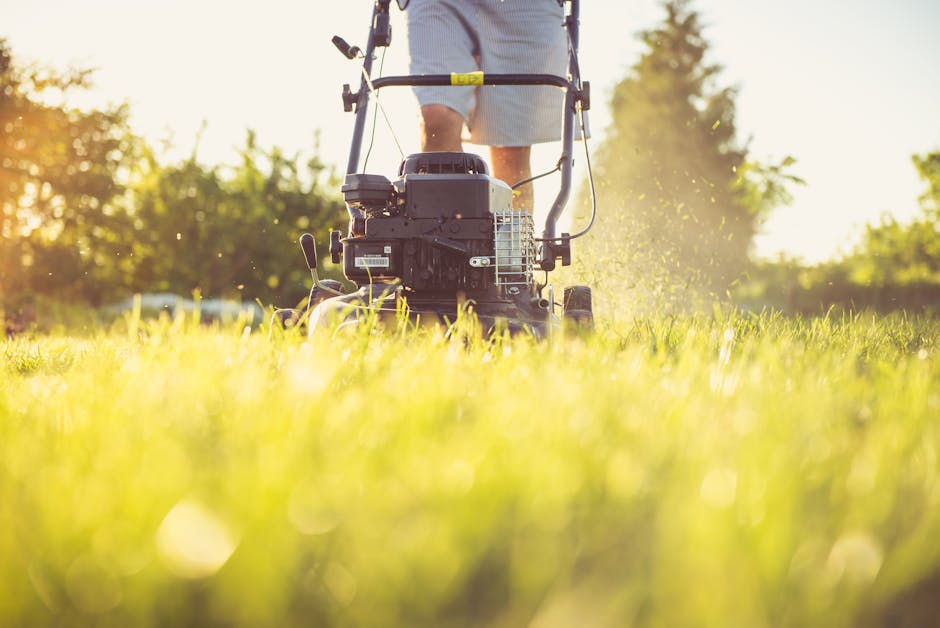
Essential Garden Maintenance Checklist for Gardeners Across the UK
If your garden feels like it changes personality every time the weather does, you are not imagining it. UK gardens have to cope with wet winters, windy spells, sudden frosts, summer dry patches, and that awkward in-between season where everything grows at once. A good essential garden maintenance checklist for gardeners across the UK keeps things under control without turning weekends into a second job.
This guide is built for real-life gardens, not picture-perfect show gardens. Whether you look after a compact London patio, a suburban lawn in the Midlands, a coastal border, or a larger family garden up north, the same principle applies: small regular jobs prevent bigger problems later. You will find a season-by-season approach, practical advice, common mistakes to avoid, and a checklist you can actually use. No fluff. Just useful work that pays off.
And if you are comparing help from a professional team, it is worth understanding how a reliable provider works, what good standards look like, and how things like safety and sustainability fit into the picture. For background on service values and customer care, you can also look at our approach to garden care, health and safety standards, and recycling and sustainability practices.
Table of Contents
- Why this checklist matters
- How the checklist works through the year
- Key benefits and practical advantages
- Who this is for and when it makes sense
- Step-by-step guidance
- Expert tips for better results
- Common mistakes to avoid
- Tools, resources and recommendations
- Law, compliance, standards and best practice
- Options, methods and comparison table
- Case study / real-world example
- Practical checklist
- Conclusion
- Frequently asked questions
Why Essential Garden Maintenance Checklist for Gardeners Across the UK Matters
Garden maintenance is not just about keeping things tidy. In the UK, it is the difference between a garden that slowly drifts into patchy, weedy, mossy frustration and one that stays healthy, usable, and easier to manage. The weather here does a lot of the work for you, and not always kindly. One damp week can encourage moss and disease. One mild spell can wake up growth early. One late frost can damage tender plants you thought were safely moving on. Typical British chaos, really.
A structured checklist matters because it helps you respond at the right time. Instead of reacting to problems after they have spread, you stay ahead of them with small, regular jobs. That usually means less stress, less waste, and better-looking results. It also makes garden care feel less overwhelming. A long neglected garden can seem impossible until you break it down into manageable tasks: lawn care, borders, pruning, feeding, clearing, checking drainage, and keeping edges under control.
There is also a practical safety angle. Slippery paths, broken branches, unstable trees, and clogged drains can all create avoidable risks. A thoughtful routine reduces those risks and makes the space more pleasant for everyone using it. In our experience, the gardens that stay easiest to manage are not the ones with the fanciest plants. They are the ones where somebody quietly keeps on top of the small jobs. Not glamorous, but it works.
Expert takeaway: The best garden maintenance checklist is seasonal, repeatable, and realistic. If a task only gets done "when there is time," it usually gets missed. If it has a place on the calendar, it gets done.
How Essential Garden Maintenance Checklist for Gardeners Across the UK Works
The simplest way to use a garden maintenance checklist is to divide jobs into three layers: weekly, monthly, and seasonal. That keeps the workload steady and stops everything from piling up. You do not need to tackle every task in one go. In fact, trying to do that is a good way to get fed up and abandon the whole thing by Tuesday.
Weekly jobs
These are the lighter, repeatable tasks that keep the garden looking cared for. They often include mowing, watering if needed, deadheading, edging, checking for pests, and collecting debris from paths or lawns. For many UK gardens, a weekly walk-round is enough to spot early issues before they become expensive or annoying.
Monthly jobs
Monthly maintenance is where you look a little deeper. This might include feeding plants, checking ties and supports, sharpening cutting tools, inspecting fencing, clearing gutters near garden buildings, trimming soft growth, and reviewing drainage. It is a useful point to pause and ask: what has changed since last month? A lot can happen quietly.
Seasonal jobs
Seasonal work follows the UK garden calendar. Spring is for growth, sowing, feeding, and recovery after winter. Summer is for watering, pruning, pest watch, and maintaining display. Autumn is for leaf clearance, mulching, planting, and preparing for colder weather. Winter is for structure, protection, tree and shrub checks, and planning ahead. The right task at the right time usually gives much better results than pushing plants at the wrong moment.
If you are not sure how much upkeep you need, a professional service can help you build a practical schedule and keep it going. For readers comparing options, the pricing and quotes information is useful for understanding how work is typically scoped, and getting in touch is the next sensible step if you want tailored advice.
Key Benefits and Practical Advantages
A well-run checklist brings benefits that go beyond appearances. Yes, a neat border and healthy lawn look good, but the real value is in what those results prevent. A patch of moss left unchecked, for example, can spread into a broader lawn problem. A shrub that is never pruned can block light, crowd a path, or stress nearby plants. A garden full of fallen leaves can hide slugs, rot, and slippery surfaces. Small stuff, big ripple effect.
| Benefit | What it means in practice | Why it matters |
|---|---|---|
| Better plant health | Pruning, feeding, mulching, and watering are timed properly | Plants grow stronger and recover faster |
| Lower repair costs | Problems are spotted early | Minor issues are less likely to become major work |
| Safer outdoor spaces | Paths, edges, branches, and drainage are kept in check | Reduces slip, trip, and damage risks |
| Less wasted effort | Jobs are grouped sensibly | Maintenance feels manageable instead of random |
| Better year-round use | Seating areas and access routes stay clean and functional | You actually enjoy the garden more often |
There is also a confidence benefit. People often underestimate how motivating it is to know what needs doing next. The garden stops feeling like a mystery and starts feeling like a system. That is a nice shift, especially if you are juggling work, family, and the usual UK weather interruptions.
Who This Is For and When It Makes Sense
This checklist is useful for almost anyone with outdoor space, but a few groups especially benefit from it. Homeowners with established gardens often need a simple structure to stop jobs drifting. Landlords and property managers may need steady upkeep to keep outdoor areas presentable and safe. Small business premises with planting beds or frontage also benefit from predictable care. And then there are busy families who want a nice garden without spending every spare hour on it. Understandable.
It also makes sense if your garden has any of the following:
- heavy clay soil that holds water after rain
- shady corners where moss builds up
- hedges, shrubs, or climbers that grow fast in spring
- lawns that get patchy in summer or soggy in winter
- containers that dry out quickly
- older trees or large branches that need watching
If your garden has children, pets, or frequent foot traffic, the maintenance checklist becomes even more valuable. A path full of wet leaves or a loose step is not a minor detail. It is a problem waiting to happen. On the other hand, if your outdoor space is tiny and mostly hard landscaping, you may need a lighter version focused on sweeping, weeding, washing, and planting refreshes rather than full-scale garden care.
Step-by-Step Guidance
Here is a practical way to work through garden maintenance without feeling swamped. This is not about perfection. It is about a repeatable rhythm that suits real life.
1. Start with a full garden walk-through
Walk the whole space slowly. Look at the lawn, borders, pots, hedges, drains, fences, paths, sheds, and seating areas. Notice where water sits after rain, where weeds gather, and what looks tired or damaged. You will often spot the same trouble spots again and again. That is useful data, even if it feels a bit obvious.
2. Clear the visible clutter
Pick up fallen branches, broken pots, dead leaves, and general debris. This step immediately improves the look of the garden and makes later tasks easier. It also helps reveal what is actually going on underneath. A bed full of leaves may look "fine" until you clear it and find weeds, slugs, or collapsing stems underneath.
3. Tackle the lawn
If you have grass, check the mowing height, edges, bare patches, moss, and drainage. In the growing season, regular mowing keeps the lawn denser and more even. In wet spells, avoid cutting too short, because scalped grass tends to suffer. If the lawn is waterlogged, it may need rest more than attention, to be fair.
4. Weed before weeds seed
Weeding is one of those jobs that feels endless until you do it regularly. Then it becomes manageable. Pulling young weeds after rain is often easier than forcing them out of dry soil. Focus on weeds before they flower or seed, especially in paving cracks, borders, and around the bases of shrubs.
5. Prune thoughtfully, not wildly
Pruning depends on the plant, but the general rule is simple: remove dead, diseased, damaged, or crossing growth first. Then shape lightly where needed. Avoid hard pruning just because the plant looks untidy. Some shrubs and climbers respond best at specific times of year, so it pays to know what you are cutting. When in doubt, take less off rather than more. A plant can look untidy for a week; overcutting can take months to recover.
6. Feed and mulch where needed
Feeding supports growth, but it should match the plant and the season. Too much feed can push weak growth or waste money. Mulching is often more broadly useful because it helps retain moisture, suppress weeds, and improve soil structure over time. Apply mulch after weeding and watering, not before. That little order matters.
7. Check water management
Look at drains, gutters near garden structures, soakaways if present, and any areas where runoff collects. In a British garden, drainage can be the difference between a thriving border and a soggy mess. Raised beds, gravel channels, or simple reshaping of soil levels can sometimes help, but first make sure the problem is properly identified.
8. Inspect structures and boundaries
Fences, gates, trellises, edging, paths, and steps all need regular eyes-on checks. A wobbly post or cracked slab may seem minor in dry weather, then turn into a nuisance in the rain. If your garden backs onto shared boundaries, it is sensible to keep an eye on climbing plants and overhanging growth too.
9. Keep records of what you did
This sounds more organised than it is. A small note on your phone or calendar can help you remember when you last fed the lawn, pruned a shrub, or cleared a border. That is particularly useful for seasonal work. Next year, you will thank yourself. Probably quietly, but still.
Expert Tips for Better Results
Good maintenance is not just about doing more. Often it is about doing the right thing at the right time. That distinction saves effort and frustration.
- Work with the weather, not against it. Wet soil is easier for weeding, but not ideal for heavy digging. Dry weather is better for some pruning and structure checks, but watering may become more important.
- Use sharp, clean tools. Clean cuts heal better, and sharp tools reduce strain on your hands and wrists. A blunt pair of secateurs is a tiny annoyance that becomes a big one very quickly.
- Prioritise drainage before decoration. A pretty border is no help if the roots sit in water for months.
- Mulch after the soil has warmed a little. Spring mulching can be excellent, but putting it on too early in cold, saturated conditions can be less effective.
- Keep pruning notes by plant type. Some plants behave brilliantly if pruned at the right moment and badly if you get impatient.
One practical observation from many UK gardens: the places that look the best are usually not the ones with the most expensive planting. They are the ones where someone keeps borders edged, paths swept, and spent growth removed before it turns into a job from another universe.
If you want a garden that feels easy to live with, aim for consistency rather than marathon weekends. A short, steady routine beats one heroic burst followed by six weeks of ignoring everything. Happens to the best of us.
Common Mistakes to Avoid
Even experienced gardeners slip into habits that cause avoidable problems. The good news is that most are easy to fix once you notice them.
- Cutting too much too soon. Over-pruning can weaken plants and make them look sparse for longer than expected.
- Ignoring moss and compaction. A mossy lawn often points to shade, wetness, or poor drainage, not just a need to rake harder.
- Leaving autumn leaves everywhere. A few leaves in borders can be fine, but thick layers on paths, lawns, and low-growing plants can cause issues.
- Watering on autopilot. Some plants need far less than people think, while containers may need much more in hot weather.
- Feeding without checking the soil or the season. Feed supports growth, but not every plant wants a boost at every point in the year.
- Letting weeds become established. A few minutes now saves a lot of scrubbing later. Simple, but true.
Another mistake is expecting a garden to look perfect all year. In the UK, that is a bit unrealistic. There will be dull weeks, soggy patches, and plants that take their own sweet time. The goal is healthy, usable, and under control, not staged for a catalogue every Tuesday morning.
Tools, Resources and Recommendations
You do not need a van full of equipment to keep a garden in good shape. A compact, well-chosen kit is usually better than an overstuffed shed full of tools you barely touch.
| Tool | Best for | Helpful note |
|---|---|---|
| Secateurs | Light pruning, deadheading, cutting back stems | Keep them clean and sharp for healthier cuts |
| Hand fork | Weeding, loosening soil, small planting jobs | Particularly useful in borders and containers |
| Spade or border fork | Digging, edging, lifting plants | Choose a size you can comfortably control |
| Lawn rake | Removing debris, thatch, and loose material | Useful after storms and heavy leaf fall |
| Leaf grabbers or rake | Autumn clearance | Saves time on larger gardens |
| Watering can or hose | Targeted watering | Water deeply rather than little and often in many cases |
| Gloves and knee pads | Comfort and protection | Not glamorous, but very welcome after an hour on the ground |
For larger or more demanding gardens, it may also make sense to arrange professional help for routine maintenance, seasonal tidy-ups, or one-off restorative work. If you are trying to plan around budget and timing, the pricing and quotes page can help you understand what to expect. If you are also concerned about trust and site visits, the insurance and safety information is worth reviewing.
There is also a sustainability side to maintenance. Garden waste does not have to become a problem if it is sorted properly. The recycling and sustainability guidance is useful if you want to keep the garden tidy while reducing waste where you can.
Law, Compliance, Standards and Best Practice
Garden maintenance is not usually a heavily regulated activity for a homeowner, but there are still sensible standards and responsibilities to consider. If you are hiring someone, safety matters. If work involves ladders, power tools, handling waste, or larger trees and hedges, a professional should follow appropriate safe working practices. That includes proper risk assessment, suitable equipment, and careful disposal of waste.
For domestic gardens, the main point is to avoid creating hazards for yourself, neighbours, visitors, or passers-by. Overhanging branches, broken paving, slippery surfaces, and poorly stored tools are all ordinary issues that can become a nuisance fast. If you are unsure whether a tree, hedge, or boundary issue may involve neighbour relations or local rules, it is sensible to check before acting, especially in shared or tight urban spaces.
Best practice also includes respecting privacy, access, and property boundaries. That might sound obvious, but garden work often happens close to fences, walls, and shared paths. Good communication avoids awkwardness. A quick chat is usually better than a small dispute that lingers for months. Nobody needs that.
If you are looking into hiring a professional, transparency around service terms, payment handling, and complaints procedures is part of good customer care. You can review terms and conditions, payment and security information, and the complaints procedure to understand how a reputable business handles those basics. For added reassurance, a clear accessibility statement and privacy policy also show that the business takes user experience and data handling seriously.
Options, Methods, or Comparison Table
There is more than one way to maintain a garden well. The right method depends on time, garden size, plant variety, and how hands-on you want to be. Here is a simple comparison.
| Approach | Best for | Advantages | Limitations |
|---|---|---|---|
| Do-it-yourself routine | Smaller gardens, confident gardeners, tight budgets | Flexible, personal, low direct cost | Takes time and consistency; easy to miss seasonal jobs |
| Occasional professional visits | Busy households, older gardens, one-off resets | Useful expertise, time-saving, targeted support | Less continuous oversight unless visits are regular |
| Planned maintenance schedule | Larger gardens, rental properties, higher standards | Predictable, preventative, easier to budget | Needs planning and ongoing coordination |
For many people, the best answer is a mix. You might handle the weekly sweep, watering, and light deadheading yourself, then bring in help for pruning, seasonal clearance, or heavy work. That is often the sweet spot. You keep control, but you are not fighting the whole garden alone.
Case Study or Real-World Example
Consider a typical semi-detached garden in the south-east: lawn, mixed borders, a small patio, two hedge lines, and a few pots near the door. At first glance, it looks fairly simple. In reality, it can become messy quite quickly if maintenance is left too long. The lawn gets soft and patchy after wet weeks. The borders fill with self-seeded weeds. The patio collects wet leaves and algae. A hedge starts to lean into the path. Nothing dramatic, just a steady build-up.
Now compare that with a garden on a regular checklist. In spring, the lawn gets fed and lightly overseen, borders are cleared, and tender growth is protected from late cold snaps. In summer, watering is focused on containers and fresh planting, while hedge growth is trimmed before it becomes awkward. In autumn, leaves are removed from hard surfaces and beds are mulched. In winter, the structure is checked and any weak branches are dealt with before windy weather has its say.
The difference is not perfection. It is momentum. The first garden feels like catching up all the time. The second one feels looked after. You notice it when you step outside in the morning and the space feels calm rather than demanding. Small thing, but very real.
Practical Checklist
Use this as a simple working list. You can adapt it to your garden size and the time you have available.
- Weekly: mow if needed, water containers, deadhead flowers, sweep paths, remove obvious weeds, and check for new damage
- Monthly: inspect hedges, shrubs, and trees; sharpen tools; feed where appropriate; clear drains and gutters near garden structures; review drainage
- Spring: tidy winter debris, feed lawns, sow or plant summer display, mulch borders, and protect tender plants if cold weather returns
- Summer: water deeply during dry periods, cut back spent blooms, watch for pests and mildew, and keep edges neat
- Autumn: clear leaves, divide or move plants if needed, plant bulbs and hardy shrubs, and prepare soil for winter
- Winter: protect sensitive plants, check tree and shrub structure, tidy wind damage, and plan next year's work
- Any time: remove hazards, check boundaries, store tools safely, and dispose of waste responsibly
Quick priority rule: if it affects safety, plant health, or water management, do it first. If it only affects appearance, it can usually wait a little. That simple order saves a lot of mental clutter.
Conclusion
A good garden maintenance routine is not complicated, but it does need to be consistent. The best essential garden maintenance checklist for gardeners across the UK is one that fits your garden, your time, and your local conditions. Keep an eye on weather, stay ahead of weeds, prune with care, manage water properly, and do not let small issues pile up. That is the real secret.
Whether you are maintaining a family garden, a rental property, or a compact urban space, the aim is the same: a garden that is safer, healthier, and easier to enjoy throughout the year. And honestly, once you get into a good rhythm, the work feels much less like a chore and more like part of looking after the place you live. A bit of order goes a long way.
If you want support with routine garden care, seasonal tidy-ups, or a plan that suits your property, take the next step and speak with a trusted local team.
Get a free quote today and see how much you can save.
Frequently Asked Questions
What should be on a basic garden maintenance checklist in the UK?
A basic checklist usually includes mowing, weeding, watering, deadheading, pruning at the right time, clearing leaves, checking drainage, and inspecting paths, fences, and other structures. The exact mix depends on garden size and planting style.
How often should I carry out garden maintenance?
Weekly attention is usually enough for visible tidy-up tasks, with monthly checks for deeper issues and seasonal jobs for pruning, mulching, planting, and preparation. Some gardens need more frequent care in peak growing months.
What is the most important seasonal task in a UK garden?
There is no single task that matters most all year, but drainage, weed control, and timely pruning are among the biggest. In wet winters, drainage and safety checks become especially important.
When is the best time to prune shrubs and hedges?
It depends on the plant type. Many shrubs and hedges benefit from pruning during specific growth windows, while others should be left until after flowering or until dormant periods. If you are unsure, prune lightly or check the plant's needs first.
Do I need professional help for garden maintenance?
Not always. A smaller garden can often be managed well on your own. Professional help makes more sense if the garden is large, overgrown, difficult to access, or if you need regular upkeep and seasonal work done efficiently.
How can I tell if my garden has a drainage problem?
Common signs include standing water after rain, soggy lawn areas, moss growth, patchy grass, and borders that stay wet for too long. Persistent puddling is usually a sign that the soil or layout needs attention.
What tools do I actually need for regular maintenance?
The essentials are usually secateurs, gloves, a hand fork, a spade or border fork, a rake, and a watering can or hose. You can add more specialist tools later if your garden needs them.
Is mulching really worth it?
Yes, for many gardens it is. Mulch helps retain moisture, reduce weeds, and improve soil over time. It is especially helpful in borders, around shrubs, and in gardens that dry out quickly.
What are the most common garden maintenance mistakes?
Over-pruning, ignoring weeds until they seed, watering without checking soil conditions, and neglecting drainage are very common. Another frequent mistake is trying to do everything in one weekend and then not touching the garden for weeks.
How do I keep maintenance manageable in a busy week?
Break it into small jobs. Ten minutes of sweeping, five minutes of deadheading, or one border at a time is often enough to stop things slipping. A steady routine is far easier to keep than a huge occasional clear-out.
Should garden waste be disposed of separately?
Usually, yes, if possible. Garden waste can often be composted or recycled depending on local arrangements and the type of material. Keeping green waste separate helps reduce landfill and supports more sustainable practice.
How do I know if a garden company is trustworthy?
Look for clear contact details, transparent pricing, sensible safety information, well-written terms, and a proper complaints process. It also helps if the business explains how it handles privacy, payments, and sustainability. Those small details matter more than people think.